Thicket Road oven cleaning specialists in Crystal Palace SE19
If your oven is starting to smoke a little, smell a bit greasy, or just refuses to look clean no matter how long you scrub, you are in the right place. Thicket Road oven cleaning specialists in Crystal Palace SE19 are there for the jobs most people keep putting off until the weekend plan collapses and the oven door wins the argument. In a busy home, a proper deep clean is less about appearances and more about performance, hygiene, and peace of mind. This guide explains what specialist oven cleaning involves, why it matters, how the process works, and how to judge whether professional help makes sense for your kitchen.
Truth be told, a neglected oven can become one of those small household problems that quietly grows teeth. Grease builds up, burnt-on residue hardens, fan ovens start to smell off, and a quick wipe never really fixes it. Whether you are preparing for a tenancy check, trying to improve cooking results, or simply tired of seeing that blackened tray every time you open the door, the details below will help you make a sensible decision.
Why Thicket Road oven cleaning specialists in Crystal Palace SE19 Matters
Oven cleaning is not glamorous work, but it matters more than many people think. A dirty oven can affect how food cooks, how long the appliance lasts, and even how pleasant your kitchen feels day to day. When burnt fat and food debris sit on heating elements, trays, seals, and glass panels, you may notice smoke, lingering odours, uneven heat, or a stubborn film on the inside of the door. Not ideal when you are trying to make a simple roast on a Tuesday evening.
In a place like Crystal Palace SE19, where homes range from compact flats to larger family properties, ovens see a lot of use. Some households cook from scratch most nights. Others rely on the oven for batch cooking, family meals, or weekend entertaining. Either way, the appliance takes a beating. Specialist cleaning helps restore it properly rather than just disguising the mess.
There is also a practical side that gets overlooked. If you rent your home, move often, or are preparing for guests, a properly cleaned oven can remove one of the most awkward little chores from the list. And if you are the sort of person who loves a tidy kitchen but cannot face dismantling oven racks in the sink again, that is fair enough. Some jobs are best handed over.
Expert summary: a professional oven clean is about more than shine. It is about safety, performance, hygiene, and getting back an appliance that works the way it should.
How Thicket Road oven cleaning specialists in Crystal Palace SE19 Works
A proper oven clean usually follows a structured process, not a quick spray-and-wipe. The exact methods vary by specialist, oven type, and condition, but a good service tends to follow the same basic logic: protect the kitchen, break down grease safely, clean removable parts thoroughly, and finish with a careful reassembly and inspection.
The first step is usually preparation. The cleaner will assess the oven, note the model, check for delicate finishes or components, and protect the surrounding surfaces. Splashbacks, floors, and nearby cabinets are normally covered so the work stays contained. You do not want cleaning solution drifting across a glossy cupboard door, after all.
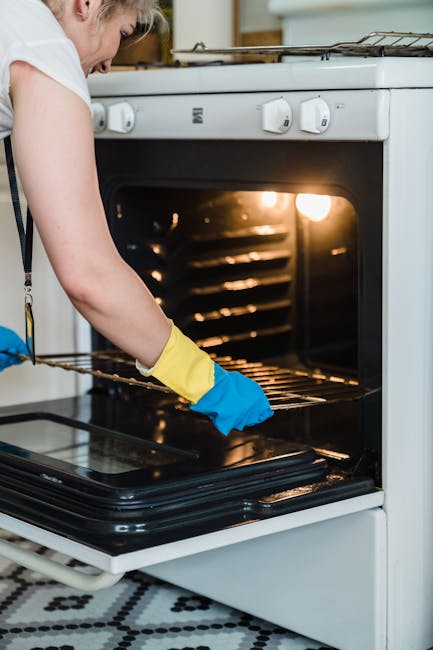
Next comes dismantling the removable parts where appropriate. Racks, trays, fan covers, and some internal fixtures may be removed and soaked or cleaned separately. That is often where the real transformation happens. Burnt grease on racks can look almost permanent until the right process lifts it away. The interior cavity is then treated with specialist products designed to loosen carbonised residue without harsh abrasion.
Many professionals use low-odour, non-caustic solutions for domestic oven cleaning, especially in homes with children, pets, or limited ventilation. That does not mean the job is gentle in results. It means the process is controlled. Some areas may need repeat application, careful scraping with the correct tools, and detailed work around hinges, seals, and glass panes.
Finally, everything is reassembled, tested visually, and left ready for use. A decent specialist should not leave greasy residues, streaks, or a strong chemical smell hanging around. If they do, something was rushed.
Key Benefits and Practical Advantages
There are several reasons people search for Thicket Road oven cleaning specialists in Crystal Palace SE19, and most of them are practical rather than decorative. Yes, the oven looks nicer. But the real value goes beyond that.
- Better cooking performance: A clean oven tends to heat more evenly and gives food a better chance of cooking properly.
- Reduced smoke and odour: Burnt-on grease is a common cause of that unpleasant smell that appears the moment the oven gets hot.
- Longer appliance life: Dirt and residue can place extra strain on components over time.
- Improved kitchen hygiene: Old food debris and grease are not something you really want hanging around where you prepare meals.
- Less effort for you: Let's face it, deep cleaning an oven is one of those chores that looks simple until you are on your knees with a sponge, muttering at the grill pan.
- Better first impressions: For landlords, tenants, sellers, and hosts, a clean oven helps a kitchen feel properly cared for.
There is also an emotional benefit, small but real. You open the oven door and do not feel annoyed. That matters more than it sounds. Little improvements like that make a kitchen feel calmer, and a calmer kitchen tends to mean easier meal prep.
If you manage other household or property cleaning needs too, it can help to think in terms of a wider maintenance routine. Many local customers prefer to keep their oven work alongside other regular home care, and that is where useful related services such as end of tenancy cleaning and domestic cleaning can fit into a sensible maintenance plan.
Who This Is For and When It Makes Sense
This service suits more people than you might expect. In fact, you do not have to wait until the oven looks truly dreadful. Early intervention usually means the job is easier, quicker, and less disruptive. Which is nice, because nobody enjoys facing a layer of baked-on mystery from last Christmas.
Homeowners
If you cook regularly, entertain, or simply want your kitchen to stay in good shape, periodic deep cleaning is a practical choice. Homeowners often notice the difference most in smell and performance. A clean oven can make everyday cooking feel less like a compromise.
Renters
Tenants often call in specialist help before a move-out inspection. That is sensible. Oven cleaning is one of those details that can make a property look well looked after. If the appliance has been left with stubborn residue, a professional finish can save time and reduce stress before handover.
Landlords and letting agents
For landlords, an oven can become a recurring issue between tenancies. A well-cleaned appliance helps present the property in a condition that feels fair and tidy. It is not about overpromising perfection; it is about avoiding avoidable complaints.
Busy families
If your oven sees daily use and no one has the energy to strip it down properly, specialist cleaning is often worth it. Families tend to benefit most from the time saved. There is only so much Saturday morning scrubbing people can realistically handle.
Anyone noticing warning signs
Smoke, smells, patchy heating, black residue on glass, sticky trays, or a fan that seems to spread odour around the kitchen are all signs to act sooner rather than later. Waiting usually makes the job harder. It is a bit like leaving the washing up "for later" and then discovering later has arrived.
Step-by-Step Guidance
If you are trying to understand what happens during a specialist oven clean, this simple breakdown should help. The process is more methodical than most people realise, and that is part of why the results are better than a DIY attempt.
- Assess the appliance. The cleaner identifies the oven type, condition, and any areas that need extra care.
- Protect the surrounding area. Floors, cabinets, and nearby surfaces are covered to prevent splashes or drips.
- Remove detachable components. Racks, trays, and sometimes fan covers are taken out for separate cleaning.
- Apply suitable cleaning agents. Specialist products are used to loosen grease and carbon deposits without damaging surfaces.
- Work on stubborn buildup. Burnt-on residue may need several passes, gentle scraping, or targeted attention around corners and seals.
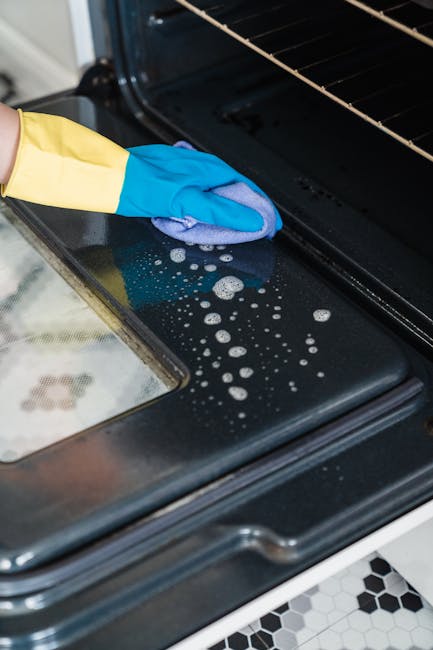
- Clean the glass and exterior. The door, controls, handles, and visible surfaces are wiped and polished.
- Reassemble and check. Parts are returned to the oven and everything is inspected for finish and function.
If you are wondering how long it takes, the honest answer is: it depends. A lightly used oven is a very different job from one that has not been cleaned properly in years. Size, model, and condition all play a part. A competent specialist should be able to explain what is involved before they start, so there are no surprises halfway through.
A sensible homeowner can prepare by clearing the area around the oven, removing loose items from nearby worktops, and making sure access is easy. Nothing complicated. Just enough to let the cleaner get on with the work without dancing around plant pots and cookie tins.
Expert Tips for Better Results
Over time, a few practical habits make oven cleaning easier and more effective. None of these are dramatic, but they really do help.
- Deal with spills sooner. Fresh splashes are much easier to remove than carbonised patches left to bake on for months.
- Use oven liners carefully. They can help with drips, but only if they are used according to the manufacturer's guidance and not blocking vents or heating elements.
- Keep the door glass visible. If you cannot tell whether the oven is dirty, it is often already overdue for a proper clean.
- Ventilate after cooking. A bit of airflow helps reduce lingering odour and moisture buildup.
- Check the manual for your model. Some ovens have pyrolytic, catalytic, or special coatings that need different care. More on that below.
One small but useful habit: after a messy roast, wait until the oven is warm rather than blazing hot, then wipe up obvious drips if it is safe to do so. Not the full clean, obviously. Just the small prevention job that stops a future headache. A minute now can save an hour later.
Also, do not underestimate the value of the right cloths and tools. Non-abrasive pads, microfiber cloths, and proper gloves can prevent scratches and make the whole process less miserable. Glamorous? Absolutely not. Effective? Yes.
Common Mistakes to Avoid
Many oven cleaning problems come from trying to go too hard, too fast, or using the wrong approach. Here are the most common mistakes people make.
- Using abrasive scourers on glass or enamel. This can leave scratches that never really disappear.
- Mixing cleaning products. That is unsafe and, frankly, unnecessary.
- Ignoring the manufacturer's instructions. Especially important for self-cleaning or coated ovens.
- Spraying too much liquid into vents or controls. Moisture in the wrong place can create problems.
- Forgetting to clean racks and trays separately. The oven may look better, but the job is not finished.
- Waiting until the build-up is extreme. By then, cleaning takes longer and may not restore everything fully.
Another subtle mistake is assuming every oven should be treated the same way. It should not. A standard fan oven, a range cooker, a compact built-in unit, and a pyrolytic oven each need different handling. That is exactly why specialists exist. They know where the boundaries are.
And yes, sometimes the temptation is to "just blast it with something strong." Not the best plan. Stronger is not always better.
Tools, Resources and Recommendations
Professional oven cleaners usually rely on a blend of specialist products and patient technique. The right tools make a big difference, but they are only part of the story.
| Tool or method | What it helps with | Best for | Notes |
|---|---|---|---|
| Non-caustic cleaning solution | Loosening grease and residue | Most domestic ovens | Often preferred for controlled, low-odour cleaning |
| Soaking tanks or bath solutions | Cleaning racks and trays | Heavily soiled removable parts | Useful where build-up is thick and sticky |
| Microfiber cloths | Polishing and residue removal | Glass, stainless steel, exterior surfaces | Reduces scratching risk |
| Non-abrasive scrapers | Careful removal of baked-on debris | Stubborn spots | Needs skill and restraint |
| Protective coverings | Keeping the kitchen tidy | Floors and cabinets | Simple but very important |
For homeowners, the best resource is often a good understanding of your own appliance. If you still have the manual, keep it handy. It may include useful guidance on cleaning methods, coatings, or self-cleaning settings. If you do not have it, the model number on the oven frame can usually help identify the type.
If you are comparing local services, look for signs of careful working rather than flashy promises. Clear explanations, sensible timing, and respect for the kitchen space matter. A good result should leave the oven clean, but also leave you feeling that the job was handled properly. That quiet sense of order is worth a lot.
Law, Compliance, Standards and Best Practice
For domestic oven cleaning, there is usually no complicated compliance layer for the homeowner, but best practice still matters. If you are hiring someone, you want a provider who works carefully, uses suitable products, and avoids unsafe shortcuts. In a rented property, both landlords and tenants should be aware of their own responsibilities under the tenancy agreement, which often covers the condition the kitchen should be left in at the end of a term.
Where cleaning services operate in homes, common-sense safety standards are the priority: proper ventilation, suitable protective equipment, careful handling of chemicals, and awareness of delicate appliance parts. If an oven has faults, damaged seals, or electrical issues, those are not cleaning problems. They should be dealt with separately by the appropriate professional.
From a practical standpoint, best practice also means clear communication. A specialist should be able to explain what is included, what may take extra time, and what cannot be guaranteed if an oven is exceptionally worn or damaged. That kind of honesty is a good sign. You want someone who tells the truth, not someone who sounds too cheerful about a very crusty oven at 8:30 on a rainy morning.
If you manage a rental turnover, it can also help to keep oven care aligned with wider property maintenance. Useful supporting services such as end of tenancy cleaning and domestic cleaning can help keep standards consistent across the rest of the home, especially when deadlines are tight.
Options, Methods, or Comparison Table
Not every oven needs the same treatment. Some situations suit a professional deep clean, while others can be managed with lighter maintenance between visits. Here is a simple comparison to help you judge what makes sense.
| Approach | Best for | Pros | Limitations |
|---|---|---|---|
| Light DIY wipe-down | Fresh spills, weekly upkeep | Quick, cheap, convenient | Won't remove heavy carbon build-up |
| Manual deep clean at home | Moderate dirt, patient homeowners | No booking needed, full control | Time-consuming and physically messy |
| Professional oven cleaning | Heavy grease, move-out prep, busy households | Thorough, efficient, detailed | Costs more than DIY |
| Replacement | Ovens with serious damage or failure | New appliance benefits | Usually unnecessary if cleaning is the main issue |
For most people, professional cleaning sits in the sweet spot between effort and outcome. It is especially useful when the oven is in decent working order but has simply fallen behind on maintenance. That is the common scenario, really. Not a broken appliance. Just life.
If you are debating whether to clean or replace, ask yourself a simple question: is the oven functionally fine but visually and hygienically tired? If yes, specialist cleaning often makes the most sense.
Case Study or Real-World Example
Here is a realistic example from the kind of situation many Crystal Palace households face. A family in SE19 has a fan oven used most evenings for trays of vegetables, pasta bakes, and the odd late-night pizza. Over time, grease collects on the fan cover, the glass darkens, and the smell of burnt residue becomes noticeable whenever the oven is turned up for Sunday lunch.
They have tried wiping it down after use, but the stubborn areas keep returning. The racks are also a headache because they do not fit comfortably in the sink. So they book a specialist clean. The process takes the better part of a morning, with protected surfaces, removed racks, targeted treatment inside the cavity, and careful work on the door glass. Nothing magical. Just patience and the right method.
By the end, the oven looks more open and brighter inside. More importantly, the smell has gone, and the family notices less smoke when cooking at higher temperatures. The person doing the school-night dinners is quietly relieved, which is usually the real win. Small thing, big mood change.
That kind of result is common when an oven is still healthy but overdue for proper attention. It is not about making an old appliance look brand new. It is about returning it to a clean, usable, far less annoying state.
Practical Checklist
Use this checklist if you are deciding whether to book a specialist clean or preparing for one.
- Check whether the oven smokes, smells, or heats unevenly.
- Look at the door glass, racks, trays, and fan cover for visible residue.
- Confirm the oven type and model if you can.
- Review the manufacturer guidance for special coatings or cleaning restrictions.
- Clear access around the appliance.
- Remove personal items, loose cookware, and fragile objects nearby.
- Decide whether you need the oven cleaned for a tenancy, sale, event, or routine upkeep.
- Ask whether the service includes racks, trays, door glass, and exterior surfaces.
- Find out what cleaning methods are used and whether they suit your appliance.
- Consider whether related household cleaning is needed at the same time.
Quick decision tip: if the oven is making the kitchen feel unpleasant, or if you are avoiding using it because of the mess, that is usually your sign. There is no prize for putting it off.
Conclusion
Thicket Road oven cleaning specialists in Crystal Palace SE19 offer a practical solution for one of the most stubborn jobs in the home. Whether you are dealing with built-up grease, preparing a property for handover, or simply wanting your kitchen to feel cleaner and easier to use, specialist cleaning can make a real difference. It is efficient, detailed, and far less stressful than trying to tackle a heavily used oven on your own.
The key is to choose the right time, understand what the service includes, and avoid waiting until the appliance is covered in years of baked-on residue. A well-timed professional clean can improve appearance, reduce odour, and help your oven work more predictably. And honestly, that little moment when you open the door and everything looks fresh again? Very satisfying.
Get a free quote today and see how much you can save.
Sometimes the simplest home improvements are the ones that quietly make everyday life feel easier. A clean oven does exactly that.
Frequently Asked Questions
How often should an oven be professionally cleaned?
That depends on how often you cook, what you cook, and how quickly grease builds up. Many households find that a deep clean every so often keeps the appliance manageable, but heavy users may need it more frequently.
What is included in a specialist oven clean?
Usually the interior cavity, door glass, racks, trays, removable parts, and exterior touch points are cleaned. Some services may include fan covers or hob areas as well, but that should always be confirmed in advance.
Will oven cleaning remove all stains?
It often removes most grease, grime, and burnt-on residue, but some marks may remain if the enamel has been permanently discoloured or the oven has suffered long-term damage. A good cleaner should be honest about that.
Is professional oven cleaning safe for self-cleaning ovens?
It can be, but self-cleaning ovens need to be handled according to manufacturer guidance. Some components or coatings require a different approach, so the cleaner should check the model first.
Can a dirty oven affect cooking results?
Yes. Heavy residue can cause smoke, smell, and in some cases uneven cooking. It may not be the only reason food behaves oddly, but it can definitely contribute.
Do I need to prepare anything before the cleaner arrives?
Just clear access, remove loose items around the oven, and make sure the area is easy to work in. You do not need to scrub the appliance beforehand. That would defeat the point.
How long does an oven clean usually take?
It varies with the appliance size and condition. A lightly soiled oven may be quicker, while a heavily used one takes longer. A specialist should give you a realistic idea based on what they see.
Are the cleaning products safe for kitchens?
Reputable cleaners generally use products intended for domestic appliances and work carefully to avoid residue left behind. Good ventilation and proper rinsing or wiping are part of the process.
What if my oven has damaged seals or faulty parts?
Cleaning can improve appearance, but it will not repair faults. Damaged seals, electrical issues, or mechanical problems should be handled separately by the appropriate repair professional.
Is oven cleaning worth it before moving out of a property?
Very often, yes. A clean oven is one of those details that can reduce friction at checkout and help a property feel properly maintained. It is a small job that can have a big effect.
Can I combine oven cleaning with other home cleaning services?
Yes, and many people do. If you are already dealing with a tenancy change, a seasonal reset, or a full-house tidy-up, it can be efficient to coordinate related services such as end of tenancy cleaning or domestic cleaning.
What should I look for in a good oven cleaning specialist?
Look for clear explanations, suitable methods for your oven type, careful handling of your kitchen, and realistic expectations about results. A trustworthy specialist will not overpromise, and that usually says a lot.